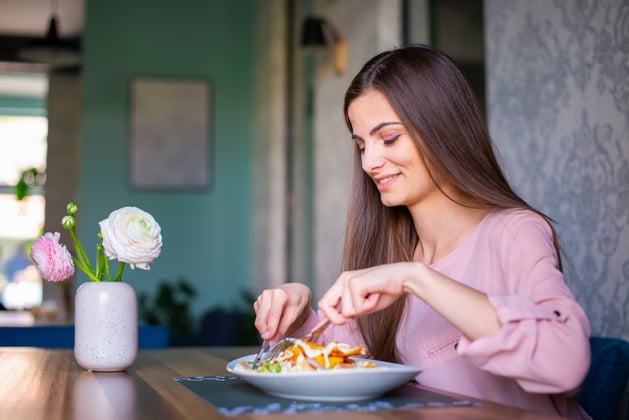
While solo diners have always been part of dining culture, many restaurants have treated them as an afterthought, rather than designing seating and service strategies with them in mind.
That’s no longer good enough. Solo dining trends have shifted dramatically. Recent industry data shows that reservations for single diners spiked 22% in the third quarter of 2025 compared with the same period a year earlier, reflecting a real rise in people choosing to dine alone at restaurants.
Solo diners now make up a consistent and valuable part of restaurant traffic, from weekday lunches to off-peak dinners and bar seating.
These guests are reshaping customer dining behavior in ways that affect not just front-of-house hospitality, but back-of-house execution, pacing, and profitability.
As Marylise Trépanier, Back of House consultant, puts it, “Solo dining has evolved from a niche behavior into a core customer segment, particularly during weekdays and off-peak hours.”
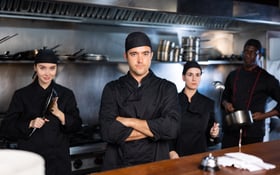
For back-of-house teams, this evolution demands intention.
Smaller checks, higher frequency, and sharper expectations mean kitchens must adapt how they prep, portion, and prioritize tickets, without adding unnecessary complexity.
Why Solo Diners Matter to Back of House
Higher Expectations, Less Forgiveness
Operationally, solo diners behave differently from groups — and notice more.
“Without the distraction of table companions, their experience is more focused and their expectations sharper,” Marylise explains. “They tend to be more attentive to timing, temperature, and consistency.”
That heightened awareness creates both risk and opportunity. A single missed ticket or delayed fire can cost a repeat guest. When execution is strong, however, solo diners often become loyal regulars who return weekly, or even multiple times per week.
Cleaner Data, Smarter Decisions
From a front-of-house perspective, solo diners generate clean, predictable data. Their ordering patterns help you refine prep lists, identify best-executed dishes, and optimize production during shoulder periods.
Marylise notes that these guests “help fill shoulder periods, and generate clean data patterns that you can use to refine menus and production planning.”
Seating Strategy as an Operational Lever
Visibility Drives Consistency
While seating decisions may feel like a front-of-house concern, restaurant seating strategy has direct implications for service rhythm and kitchen timing.
“Seating decisions don’t directly impact kitchen efficiency,” Marylise says, “but they strongly influence service flow.”
When solo diners are placed in low-visibility or awkward zones, they’re more likely to be overlooked. Not necessarily out of neglect, but because service naturally prioritizes larger tables.
That delay often shows up first in the kitchen as stalled tickets or rushed execution.
Best-performing seating options for solo diners include:
- Bar seating or counters
- Window-side two-tops
- Single booths near service lanes
These placements keep solo guests visible and easier to pace correctly.
Ticket Prioritization Matters
“One operational point is critical,” Marylise emphasizes.
“Solo orders should be fired ahead of large groups when possible. Nothing undermines the experience faster than a solo guest waiting 45 minutes while a big table’s tickets go out first.”
That decision requires coordination between front- and back-of-house operations, but the payoff is significant in terms of guest satisfaction and table turnover.
Pacing and Throughput: Reading Intent Early
Fast Movers vs. Lingerers
Solo diners tend to fall into two clear patterns — fast movers or slow lingerers. When intent isn’t identified early, kitchens risk mistimed fires or stalled tickets, so capturing intent early allows back-of-house teams to pace execution properly.
While the front-of-house guides the flow of service, the back-of-house plays a critical role in timing, prep, and ticket execution. By coordinating early with servers and understanding which dishes can move quickly or require more care, kitchens help ensure solo guests are neither rushed nor left waiting.
Subscribe to the Operation Station Newsletter
Run tighter operations with practical POS and operational tools, delivered monthly.
From an operational standpoint, this requires a shared understanding between FOH and BOH around the guest’s desired pace of service. In practice, that means:
- Clear communication from hosts and servers about whether a guest is dining quickly or settling in
- Flexible firing logic that allows single tickets to move independently of large-party orders
- Awareness of which dishes are best suited for quick turns during rushes versus those that benefit from slower pacing
When intent is clear, kitchens can protect both speed and quality, avoiding rushed execution for lingerers and unnecessary delays for guests on a tight timeline. The result is smoother throughput, less ticket congestion, and a more controlled service rhythm even during peak periods.
Menu Design That Supports Execution
Indulgence Without Complexity
Solo diners often want to treat themselves, but not to excess.
“Dining alone often means you’re treating yourself,” Marylise says. “You’re paying for your own experience, not compromising for anyone else.”
Effective menu strategies include:
- Half portions or smaller plates
- Curated pairings (dish + drink)
- Tasting flights or micro tasting menus
- Table d’hôte menus for one
From a back-of-house perspective, the key is restraint. These options should be built using existing mise en place, so they elevate the experience without increasing labor or prep complexity.
“Tasting menus and pairings work especially well for solo diners,” Marylise explains, “because they guide guests toward strong, familiar choices.”
Built around popular, well-executed dishes, these bundled offerings don’t require special handling in the kitchen. Instead, they allow teams to rely on items they already know and prep consistently, supporting smooth execution and predictable timing during service.
Staffing, Prep, and Margin Protection
Small Adjustments, Big Impact
Serving solo diners well is less about adding new processes and more about tightening the ones already in place.
One effective approach is guiding solo guests toward the best-executed items on the menu. “Use your POS data to understand the trends and most popular items for solo dinner,” Marylise advises.
Additional best practices for serving solo diners include:
- Let servers know about faster-to-prepare items: This way, front-of-house can guide guests efficiently during busy periods
- Coordinate pacing between front- and back-of-house: Ensure the kitchen knows which solo diners want a quicker or slower service experience
“A solo guest waiting behind a large table feels the delay much more,” she notes. “Small adjustments in timing make a big difference.”
Balancing Solo Diners With Larger Parties
Capacity Optimization, Not Lost Revenue
Rather than viewing solo diners as low-revenue seats, strong operators treat them as a capacity optimization tool.
Protect larger tables for groups during peak hours while dedicating specific seating zones for solo guests. Reservation rules and seating maps help hosts avoid improvisation and to keep revenue and service flowing.
Booking solo diners just before or after large-party rushes — when possible — can also smooth the kitchen’s workload, creating steadier throughput instead of service spikes.
Even small adjustments in seating order or reservation timing give front- and back-of-house better visibility and pacing for the shift.
BOH Consistency Enables Better Hospitality
Predictability Builds Comfort
The strongest contribution the back of house can make to the solo dining experience is consistency.
“Clean execution, accurate portioning, and reliable ticket timing allow front-of-house teams to personalize service without over-checking or hovering,” Marylise explains.
She also recommends practical preparation. “The kitchen should know what is faster to make during rush hours and communicate the best options to propose to solo diners,” she says.
That coordination turns wait time into hospitality rather than frustration.
Loyalty Is the Long-Term Win
Why Solo Diners Compound Over Time
The most important takeaway for teams is that solo diners reward consistency with loyalty. “A smaller check repeated week after week will always outperform a one-time visit,” Marylise says. “Because loyalty, not volume, is what truly compounds.”
Loyalty programs for solo diners can help turn this insight into action by tracking:
- Visit frequency: Know who comes in regularly and when
- Favorite items: Anticipate popular dishes and prep efficiently
- Timing patterns: Plan kitchen flow, reduce bottlenecks, and minimize waste
Handled well, solo diners don’t just fill seats — they stabilize service, sharpen execution, and quietly become some of a restaurant’s strongest ambassadors, all while creating actionable data that supports long-term operational decisions.
Making Solo Dining Work Operationally
Understanding solo diners is only the first step. Turning that insight into consistent execution requires thoughtful systems across seating, pacing, menu design, and kitchen flow.
Marylise works with restaurant teams to help translate evolving dining behaviors into practical, back-of-house strategies that support both guest experience and operational performance. Schedule a consultation with her today.