Gen Z is changing the restaurant industry and it’s our job to keep up. Gen Z will soon be (or already is) the lifeblood of your workforce as well as a significant slice of your customer base.
Are you doing everything you can to adjust to the needs and expectations of Gen Z restaurant employees and Gen Z restaurant customers? To answer this question, we first need to understand who Gen Z is and what makes this cohort different from previous generations.
Gen Z refers to people who were born between 1997 and 2012. Today, Gen Zers are teenagers, college students and young adults, many of whom are just beginning to enter the job market as well as exercise their spending power.
Let’s take a deeper look at how Gen Z is changing the restaurant industry and how your business can adapt to changing expectations from both your employees and your customers.
What Makes Gen Z Different From Previous Generations?
At the time of writing, Gen Zers fall between the ages of 14 and 29. This makes Gen Z the first generation entirely made up of “digital natives” — those who have never known a world without the internet. Gen Zers have been raised with access to mobile devices, streaming services, and social media.
Gen Z and Technology
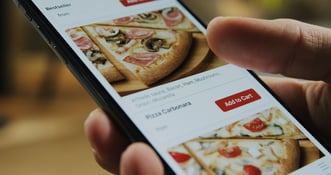
Gen Zers have a level of comfort with this technology that far exceeds previous generations. They also have the expectation that everything can be done using this technology. As a result, Gen Z consumers expect their retailers to provide digital access and tech-enabled experiences. They also expect these experiences to be fast, easy, and convenient.
Gen Zers don’t call by phone to place orders, and they are far more likely to bail on an online or mobile transaction if the digital experience is slow and clunky.
Gen Z and the Job Economy
Gen Z’s relationship with technology is not the only thing that sets it apart from previous generations. Gen Z workers also have a unique and stormy relationship with the job economy. This generation was born into or grew up during the Great Recession and subsequently entered the job market during the COVID-19 crisis.
In other words, Gen Z workers have largely experienced an unstable and unwelcoming job market. These experiences have directly shaped the way Gen Z workers view jobs, approach career development, and manage their relationships with employers.
How Gen Z Is Changing the Restaurant Industry
Gen Z restaurant employees and Gen Z restaurant customers have different expectations from previous generations. These expectations are changing the restaurant industry.
So how can your restaurant adapt?
3 Ways You Can Adapt to Gen Z Customers
Gen Z customers have zero patience for technology that doesn’t do what it’s supposed to. On the other hand, this generation is more likely than other age groups to show brand loyalty to those that do it right.
Here are a few ways you can earn that loyalty.
1. Boost Your Social Media Game
According to a report from the Culinary Edge, two out of three Gen Z consumers first discover new products and brands through social media. You need to use platforms like Instagram, TikTok, and Facebook regularly and authentically if you want to meet Gen Z restaurant customers where they actually are.
Your social media identity is a reflection of your brand. You’re looking to capture a tone, a voice, and a vibe that are consistent with the dining experience at your restaurant. And you also need to choose the right mix of platforms for reaching your target audience. The right social media mix is just a little different for each business.
That’s why a lot of restaurants today use social media marketing and management tools to pick and leverage the best social media channels for their restaurant’s unique needs, brand, and target demographic.
2. Offer an Excellent Digital Loyalty Program
According to Business Insider, Gen Z restaurant customers have overtaken millennials as the most active users of restaurant rewards programs. Consumers ages 14 to 29 are flexing their spending power (and also looking for rewards that can make that power go a little further).
But Business Insider says this isn’t just a cyclical change. Millennials, Gen Xers, and boomers are still going out to eat as much as ever. However, Gen Z restaurant customers are more likely than previous generations to embrace your digital loyalty program…that is, as long as you do it well.
You need to offer a loyalty program that is speedy, convenient, fun, and intuitive. It also needs to be accessible through a smart, user-friendly app that offers real-time rewards and value-based membership perks. Gen Z users are looking for a solution that is fast and fully mobile. And most users will bail on your digital app the minute they feel friction.
Fortunately, there are all kinds of loyalty programs that can help you to create cool, customized, Gen Z-friendly rewards programs.
3. Find the Right Balance of Delivery Apps
According to the report from Culinary Edge, more than half of Gen Z consumers have more food delivery apps on their phones than streaming services. The same report says 54% of Gen Z restaurant customers are active monthly users of major third-party apps like Grubhub, DoorDash, and UberEats.
Let’s be honest. Nobody likes paying the commission fees on these deliveries. However, you just can’t beat the visibility your restaurant gets with Gen Z consumers on these delivery platforms.
There are a few ways to offset these costs:
- You’ll definitely want to tweak your delivery menu prices to deal with commissions. A good menu engineering software can help with that.
- Check out first-party and hybrid delivery platforms that charge flat fees instead of percentage-based commission fees. Find a balance between marketing on third-party platforms while incentivizing users with special loyalty rewards, perks, and better prices for using these preferred apps.
- If you’re doing enough sales volume, you can also try negotiating your fees with the third-party platforms. It never hurts to ask!
The bottom line is that Gen Z restaurant customers are using mobile apps for delivery. If you aren’t reaching them this way, you’re missing a huge piece of the sales puzzle.
3 Ways You Can Adapt to Gen Z Restaurant Employees
Teenagers and young adults have always been a vital source of labor for the restaurant industry. Restaurants offer entry-level opportunities, on-the-job training, and cash in hand, which makes our sector a great fit for new workers. So it makes sense that 80% of Gen Z workers say their first job was in a restaurant.
But are you doing enough to tap this vital source of labor? Here are a few things to consider.
1. Become More Involved In Your Community
Good pay and benefits are basic expectations for Gen Z workers. So it obviously starts there. But it’s also increasingly clear that Gen Z restaurant employees want something more out of the employers they work for. Young workers are looking for businesses that align with their personal values.
These values include things like diversity, ethical food sourcing, and active involvement in the community. If you want to attract younger applicants, choose causes that matter to you, to the people in your community, and to those who already work for you. That could mean partnering with a local school for a literacy program, supporting local environmental clean-up efforts, contributing to hunger drives, and much more.
STAY IN THE KNOW
Short and sweet summaries for busy restaurant operators. Subscribe to the Back of House newsletter to get updates delivered straight to your inbox.
And make sure you give your employees the opportunity to be a part of these efforts, to provide feedback on causes that matter to them, and to get out into their own communities and contribute to something meaningful.
You might be surprised to find out that this is an actual job perk for many of your employees. Building a reputation for impactful community action can help you attract more Gen Z restaurant employees and keep them around longer.
2. Provide Flexible Scheduling
According to an article from The Prep, Gen Z employees are more likely than previous generations to demand a favorable work-life balance from their employment situation. But don’t mistake this demand for a lack of work ethic. According to the article, nearly half of all working Gen Zers are holding down between 1.5 and 2 jobs.
Your younger employees may need flexible scheduling because they have two jobs. They may also be balancing school, social lives, and self-care. The reason they want it is secondary — the main point is that Gen Z restaurant employees expect scheduling that allows them to balance their priorities.
It’s up to you to provide staff scheduling that meets your labor needs while still accommodating your staff’s need for flexibility. This is where advanced staff scheduling tech can make a huge difference. The top platforms make it easier to view and manage time off requests, allow communication among employees for shift swapping, and even use demand forecasting to staff shifts with more precision.
If you’re using it correctly, this tech can help you provide your employees with the work-life balance they expect.
3. Prepare for Turnover
Let’s be honest…this is really nothing new for the restaurant industry. It’s also pretty familiar terrain when it comes to younger employees with other concerns like school, socializing, and starting careers in other fields.
But the trend toward turnover is more concentrated for Gen Z workers. A recent article from Forbes points out that Gen Z workers are more prone to job hopping than previous generations. According to Forbes, the average job tenure for a Gen Z employee who is new to the workforce is just 1.1 years, far shorter than millennials (1.8 years), Gen X (2.8 years), and baby boomers (2.9 years).
One reason for this difference is that Gen Z workers are looking for loyalty from their employers and the chance for professional growth. If these things are lacking, Gen Z workers are more likely to hop than previous generations.
Offsetting High Gen Z Turnover
You have a chance to offset this trend in your restaurant by placing a stronger emphasis on things like cross-training, professional certifications, and leadership training. Digital platforms can make it easier for your employees to work, train, and develop new skills all at once.
Managing High Gen Z Turnover
Naturally, you can still expect some level of turnover. With that in mind, you may also want to check out some of the great hiring and onboarding platforms on the market.
Get the Right Tech To Handle Gen Z Restaurant Customers and Employees
It actually makes sense that most of the recommendations above center on technology. Gen Z consumers and workers have grown up entirely immersed in digital technology and have never known a world without it. This generation expects your technology to be efficient, accessible, and easy to use.
Make sure you’re meeting those expectations on both sides of the counter. And to be sure you're keeping up with all the latest trends and tech in our industry, sign up today for our free weekly newsletter.