Downtown cafes can do more than serve a good cup of coffee or a quick lunch. They can become gathering places for office workers, local shoppers, remote employees, and residents looking for a convenient midday break.
But attracting that crowd consistently takes more than a great menu. It requires the right mix of marketing, technology, and operational planning.
For independent cafes in downtown business districts, the weekday lunch rush can be a major growth opportunity. The challenge is getting customers through the door, making their experience convenient, and giving them a reason to return.
We spoke with Hilary Young, Head of Marketing at Back of House, and Spencer Michiel, consultant for Back of House, about attracting a lunchtime cafe crowd.
They explain that with thoughtful downtown cafe marketing, practical customer experience improvements, and the right technology, you can turn a slow midday period into a more reliable revenue source while contributing to a more vibrant downtown.
Understand What's Keeping Customers Away
Before investing in promotions or new technology, cafe owners need to understand why potential customers aren't stopping in:
- Is the cafe difficult to find online?
- Does the menu seem too expensive?
- Are customers worried about long wait times?
- Or have nearby workers simply developed a routine that doesn't include your business?
Understanding these barriers helps you focus your time and marketing budgets on changes that can make a difference.
Point-of-sale (POS) reports, online reviews, and sales patterns can all help identify opportunities. For example, you might discover that customers love its food but don't realize it offers online ordering. Or you might find that a popular lunch item regularly sells out before the busiest part of the day.
Start With What Your Customers Want
Hilary emphasizes that effective marketing starts with understanding your customers.
“What do customers value most when choosing a lunch spot — is it convenience, affordability, variety, or simply knowing they can get a great meal without a long wait?” she asks. “Once you understand what matters to your audience, you can shape your marketing around those needs and give people a compelling reason to choose your cafe.”
Marketing works best when it addresses a real customer need. Rather than guessing what will attract more business, use customer insights to make informed decisions about your messaging, menu, and promotions.
Make the Most of Downtown Foot Traffic
Downtown businesses often benefit from proximity to offices, shops, and other destinations, but location alone doesn't guarantee customers will stop in.
To attract people with limited lunch breaks, cafes need to make their offerings easy to find and choose. Be sure to have:
- Clear signage
- An easy-to-read menu
- Grab-and-go options
- An updated Google Business Profile
- Accurate hours across all platforms
- Brilliant food photos
Search-friendly website content can also improve visibility when people look for “lunch nearby.”
These lunch rush cafe strategies reduce friction and help customers quickly decide where to eat, what to order, and how to get their food.
Build a Lunch Experience Around Convenience
A delicious menu is important, but convenience can be just as influential during the lunch rush.
Customers may have only a short break between meetings or need to be back at work at a specific time. Long lines, confusing ordering processes, and unpredictable wait times can discourage repeat visits.
Simplify the lunch experience from ordering to pickup. A focused menu of popular items and daily specials helps customers decide quickly and keeps kitchen prep manageable.
Technology can support that process in several ways:
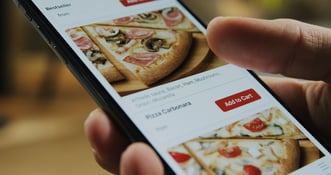
- Online ordering: Let customers browse the menu and place orders without waiting in line.
- Mobile-friendly menus: Make it easy to view menu items, prices, and daily specials from a phone.
- Digital payments: Speed up checkout and give customers a convenient way to pay.
These are some tech options that create efficiency and give customers more control over when and how they buy lunch.
Integrated POS systems can help your staff organize incoming orders and monitor which menu items sell best.
Make Speed and Consistency a Priority
Technology can help, but it works best when the operation behind it is set up to deliver.
“During the lunch rush, you have to balance speed with the quality customers expect,” Spencer says. “That starts with teaching your team a sales mindset — expect to be busy, prep your most popular items ahead of time, and build a service flow that keeps orders moving. Being proactive instead of reactive makes all the difference.”
The operational details matter. Adding online ordering won't solve a bottleneck if the kitchen is already overwhelmed.
THE GROWTH CENTER
Fresh monthly ideas for smarter restaurant marketing
Use Marketing To Reach Customers Before Lunch
Waiting until noon to promote lunch specials means missing an opportunity to influence customers while they're deciding what to eat.
Effective downtown cafe marketing starts before the lunch rush and puts a cafe on customers’ radar early in the day:
- Email newsletters
- Social media posts
- Local business groups
- Digital promotions
A morning post highlighting a daily special or an email featuring a convenient lunch combo can give people a reason to plan their visit.
Focus on Consistent, Targeted Marketing
Cafe owners don't need to be everywhere online. Focus on the channels local customers use, sharing daily specials and promotions that give people a reason to visit.
“Consistency matters more than being everywhere,” Hilary says, “so focus on reaching the right audience with relevant offers, whether that's a weekday lunch combo, a rotating special, or advance ordering for nearby offices.”
The goal is to make your cafe an easy, appealing choice when lunchtime rolls around.
Technology makes it easier to test different messages and offers by tracking:
- Redemptions
- Website visits
- Email engagement
- Order volume
Monitoring this activity helps identify which campaigns generate actual business rather than simply attracting likes or views.
Turn Nearby Businesses Into Marketing Partners
A downtown cafe doesn't have to attract every customer on its own. Nearby retailers, professional offices, and community organizations can become valuable partners in reaching people who already spend time in the area.
For example, a cafe could offer pre-ordered lunch packages for office meetings or coordinate a promotion with local retailers. A shared downtown event might encourage visitors to shop at several businesses and stop for lunch along the way.
These partnerships can be particularly helpful for independent cafes with limited marketing budgets. Instead of relying entirely on paid advertising, owners can build relationships that introduce their business to new audiences.
When businesses support one another, they help create a more connected downtown experience — one that gives people more reasons to visit and spend time locally.
Give Customers a Reason To Come Back
Attracting a first-time visitor is only part of the challenge. Sustainable growth depends on turning occasional lunch customers into regulars.
Loyalty programs can encourage that habit by:
- Rewarding repeat purchases
- Offering a free item after a certain number of visits
- Giving members early access to new menu items
Digital loyalty platforms can make enrollment and reward redemption easier while helping cafes understand purchasing patterns.
However, a loyalty program should be simple and financially sustainable. Rewards need to feel worthwhile to customers without cutting too deeply into margins — that’s not helping you in the long run.
Turn First-Time Visitors Into Regulars
With customer consent, you can use email and loyalty platforms to share seasonal menus, weekday specials, and personalized rewards based on customers’ preferences and purchasing habits.
“Loyalty is more than discounts — the goal is to make customers feel recognized through relevant offers, personalized rewards, and consistent experiences,” Hilary says. “When you give people reasons to return that reflect their preferences, you can turn occasional visitors into regulars.”
Measure What's Working and Adjust
No single marketing tactic will work equally well for every cafe. Owners need a way to understand whether their efforts are generating visits, increasing sales, and improving profitability.
A POS system can help track lunch-period sales, average transaction values, popular menu items, and repeat purchasing patterns.
Marketing platforms can provide additional insight into email engagement, coupon redemptions, and campaign performance. But you need to use them strategically.
“One thing to consider when using templates from marketing platforms — don’t just use the exact copy they provide you with,” Hilary warns. “You really need to make an effort to personalize messaging as much as possible. Otherwise, customers will notice that your marketing efforts are eerily similar to other restaurants they also follow and will judge you negatively as a result.”
You should establish a few baseline measures before launching a promotion, so you can determine how effective it is. These baselines include:
- Weekday lunch revenue
- Number of orders during peak hours
- Average order value
- Percentage of customers who return
Comparing results over time can reveal whether a campaign is producing meaningful improvements.
Measure Growth Without Sacrificing Service
Promotions should increase sales without overwhelming the kitchen, creating excessive food waste, or straining staff.
“More orders are great, but only if your operation can handle them,” Spencer says. “Track sales alongside wait times, food waste, and staffing needs to ensure growth is sustainable and customers continue to get the experience they expect.”
In other words, don’t just make your cafe busier. The goal is to build a lunch service that customers value and the business can sustain.
Spencer adds, “Having an easy-to-use digital tool for customers to provide feedback is also a great way to measure success.”
Help Create a More Vibrant Downtown
A successful lunchtime cafe can help create a downtown district that feels active, welcoming, and worth visiting. More lunch customers can support neighboring retailers and encourage people to spend more time in the area.
Boosting weekday cafe sales doesn't require a major overhaul. To help attract customers and encourage repeat visits, focus on:
- A stronger online presence
- A streamlined lunch menu
- Partnerships with nearby businesses
- Digital loyalty programs
The key is making these efforts work together.
Marketing attracts attention → convenient service turns interest into orders → a positive experience gives customers a reason to return.
By understanding your customers and using technology thoughtfully, your downtown cafe can strengthen its own business while helping revitalize downtown business districts.
Ready To Bring More Customers Downtown?
Attracting a lunchtime crowd takes more than a great menu. With the right marketing strategies, your cafe can build lasting relationships and turn weekday foot traffic into repeat business.
Looking for more ways to grow your restaurant? Sign up for our freeGrowth Center Newsletter for marketing resources, practical tips, and technology recommendations delivered every month.