Restaurant diners are feeling the pressure of higher costs. But that doesn't mean they're walking away from restaurants.
Instead, they're becoming more intentional about where, when, and how they spend their dining dollars. They're looking for meals that feel worth the money, experiences that justify the occasion, and convenience that makes dining fit more easily into increasingly busy lives.
At the same time, health and wellness trends are changing what diners want from restaurant menus, while loyalty programs are creating additional opportunities for operators.
To better understand these shifts, the Relish Works insights team surveyed more than 1,500 U.S. diners across generations, geographies, and income levels about their motivations, priorities, and behaviors when dining out.
The result is a picture of diner behavior and expectations in 2026 that is less about people eating out less and more about people asking a different question — Is this worth it?
Diners Are Feeling the Economic Pressure, But They're Still Making Room for Restaurants
The financial environment is clearly influencing restaurant decisions.
Forty percent of diners say they are financially worse off today than they were a year ago. Nearly two-thirds identify rising costs as one of their top concerns, followed by the state of the economy.
Dining Out Is Still Part of the Routine
But half of the diners surveyed say they eat out at least once a week.
That continued demand is particularly pronounced among Gen Z, larger families, and higher-income diners — groups that emerge repeatedly throughout this survey as some of the most frequent restaurant users.
The takeaway isn't that economic pressure doesn't matter. It matters.
But dining out continues to hold enough value in people's lives that many diners are finding ways to preserve it, even as they become more deliberate about spending.
That creates a new challenge for restaurants. Earning the spend matters more than ever.
“Value” Is No Longer Synonymous With “Cheap”
When diners talk about value, they're not simply looking for the biggest portion or the lowest price.
They're looking for quality.
Nearly half of diners — 46% — say the quality of the food for the price is what makes a meal a great value. That's more than twice the share who point to the quantity of food for the price; only 21% say that.
Convenience follows at 15%, while special deals or discounts account for 10%.
A restaurant doesn't necessarily create value by giving diners more. It creates value by making diners feel they received something worth what they paid.
Quality Is the Foundation, but Convenience Is Becoming Part of Value
Quality is the top definition of value across frequent-diner groups, but convenience becomes particularly important for some audiences.
Among Gen Z, 26% say convenience is the primary reason a meal feels like a great value — higher than any other group.
For everyday occasions, frequent diners are more likely than infrequent diners to prioritize convenience, but what that means varies by diner.
Gen Z places greater emphasis on speed of service, while larger families are particularly interested in ease of ordering.
For restaurants, that means convenience isn't one-size-fits-all. It could mean a faster meal, a simpler online order, or an easier decision on a busy weeknight.
The Way People Dine Is Changing
The traditional definition of dining out — getting dressed, driving to a restaurant, sitting down, eating, and leaving — captures only part of today's restaurant occasion.
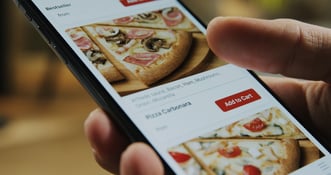
Across the population, restaurant meals are split fairly evenly between eating at the restaurant and picking up food to eat elsewhere, with delivery making up a smaller share:
- 40% eat at the restaurant
- 40% pick up their food themselves
- 20% have their food delivered
Among frequent diners, however, delivery becomes more prominent.
Convenience Matters More for Frequent Diners
Thirty percent of Gen Z diners use delivery, compared with 25% of larger families and 18% of higher-income diners.
But delivery isn't necessarily perceived as the budget option. In fact, Gen Z diners are 9 percentage points more likely than the overall population to say their last great-value meal was a delivery meal. Larger families are 7 percentage points more likely.
Even in a world where diners notice delivery fees, service fees, and tips, convenience can still justify the additional cost when it solves a real problem.
For restaurant operators, that means the “restaurant experience” increasingly needs to work across formats. The diner may want the same brand, food quality, and reliability whether they're sitting at a table, picking up an order, or eating at home.
Great Value Is About More Than the Food
Although convenience is increasingly important, the traditional dine-in experience isn't going away.
In fact, 61% of diners identified their last great-value meal as a dine-in experience.
That's an important counterpoint to the rise of off-premise dining.
Diners aren't choosing between convenience and experience in every situation. They're choosing the format that best fits the occasion.
Service Is One of the Clearest Differentiators
When diners describe their last exceptional dining experience, food is the most frequently mentioned element, at 54%.
But service is right behind it, appearing in 37% of diners' descriptions.
For special occasions, quality is the baseline expectation. Price, atmosphere, and service all contribute to whether the experience feels successful.
For larger families and higher-income diners in particular, service quality becomes especially important. These groups also place greater importance on genuine human interaction.
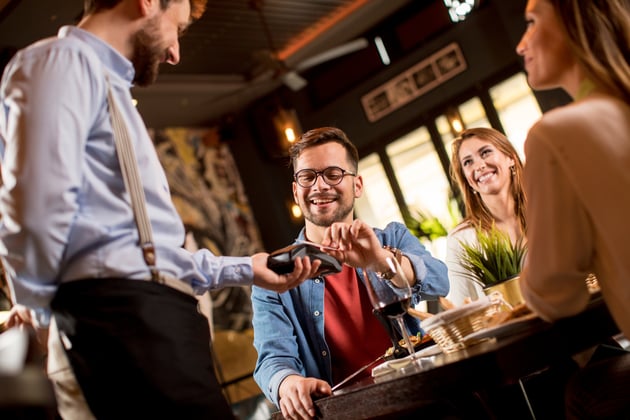
Restaurants can make ordering easier. They can streamline payments, automate loyalty, and improve delivery.
But when diners choose to sit down in a restaurant, the human experience still has enormous value.
STAY IN THE KNOW
Short and sweet summaries for busy restaurant operators. Subscribe to the Back of House newsletter to get updates delivered straight to your inbox.
Health and Wellness Trends Aren't Taking People Out of Restaurants
Few trends have generated as much speculation about the future of dining as GLP-1 medications.
But our research suggests the story is more nuanced than “people are eating less, so restaurants will lose business.”
Among current GLP-1 users, two-thirds say they are spending the same or more on dining this year than last year, compared with 61% of the overall population.
What Diners Want From the Menu Is Changing
Frequent diners increasingly want high-protein meals and seasonal or locally sourced options. More broadly, health and wellness considerations are becoming part of the way diners evaluate menus and decide what feels right for them.
That doesn't mean every restaurant needs to become a health-focused concept, but it is an opportunity to think about portions, ingredients, protein-forward choices, freshness, and transparency.
Loyalty Still Works, but Flexibility Matters
In a market where every restaurant visit represents a considered purchase, loyalty programs can give diners another reason to return.
Fifty-seven percent of diners say they actively participate in at least one restaurant loyalty program.
Among diners who participate in loyalty programs, three-quarters say those programs are at least a moderate factor in deciding where to eat.
The most broadly appealing rewards are also fairly straightforward: flexible points, free items, and discounts.
But frequent diners are more open to something beyond the standard transaction of “spend money, earn points, get a discount.”
They’re more interested in unique perks and experiences.
A loyalty program doesn't have to compete solely on who can offer the biggest discount. It can also let a restaurant recognize its best customers, create exclusive experiences, or give people a reason to feel connected to the brand.
Diners Will Pay for Value. They Don't Want to Feel Nickel-and-Dimed.
There's an important tension running through all of these findings.
Diners are willing to spend money on restaurants. They're willing to pay for quality. They're willing to pay for convenience. They're willing to pay for experiences.
But they are increasingly sensitive to costs that don't feel connected to the value they receive.
More than half of diners say certain additional fees would make them less likely to return to a restaurant:
- Fifty-seven percent say a credit-card processing fee would make them less likely to return.
- Fifty-three percent say the same about a fee for splitting an entrée.
These findings don't suggest that diners object to every additional charge, just that the relationship between price and perceived value matters.
What These Trends Mean for Restaurants in 2026
Taken together, these restaurant industry consumer insights point to a diner who isn't necessarily looking for less.
They're looking for more worth:
- More quality for the price.
- More convenience when life is busy.
- More flexibility in how and where they dine.
- More relevant choices as health and wellness priorities evolve.
- More recognition from the restaurants they visit frequently.
- And fewer moments that make them question whether the experience was worth the cost.
For diners, value goes beyond the price on the menu. They’re weighing the food, service, convenience, and overall experience against what they paid.
The Restaurants That Understand the Occasion Will Understand the Diner
There may not be one universal “2026 diner.”
A Gen Z diner grabbing a quick meal has different needs from a larger family ordering dinner at home. A high-income diner celebrating a special occasion is making a different calculation than someone looking for an affordable weekday meal.
But these restaurant customer preferences and trends share a common thread. Diners are making more intentional choices about where they spend their money.
In 2026, that might mean:
- A faster pickup
- An easier ordering process
- A better protein-forward option
- A genuinely memorable server
- A loyalty perk that actually feels personal
- Or simply a meal that delivers exactly what the diner hoped it would
For restaurants, the opportunity is to understand what makes a meal feel worth the money for different diners and different occasions.
Keep Up With What’s Happening
Want more insights on the trends shaping restaurants and foodservice? Subscribe to the Back of House weekly newsletter for research, ideas, and perspectives on what’s happening across the industry.
About Relish Works
Relish Works, the parent organization of Back of House, is an innovation hub exploring how operators, diners, and macrotrends are shaping the future of foodservice.
About the Research
In July, the Relish Works insights team surveyed more than 1,500 U.S. diners across generations, geographies, and income levels to understand the motivations, priorities, and behaviors shaping dining out in 2026.