The upcoming FIFA World Cup 2026 is shaping up to be more than a global sporting event. It’s a rare convergence of tourism, community viewing, and group dining demand that will ripple across host cities and far beyond.
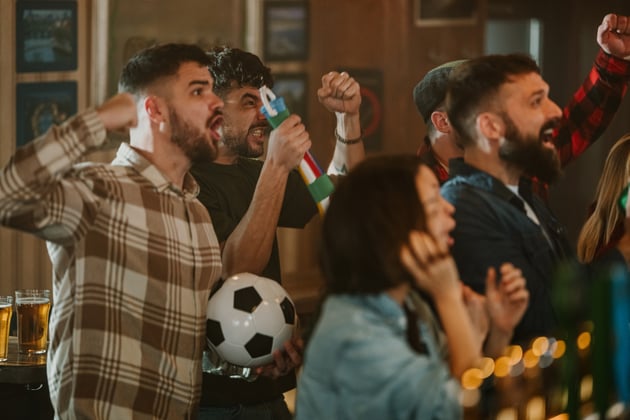
While host cities will see a surge in visitors, the broader opportunity may come from fans across the U.S., Canada, and Mexico gathering in restaurants, bars, and homes to watch matches together.
That creates a unique set of World Cup restaurant opportunities not just for stadium-adjacent venues, but for operators everywhere.
And unlike annual sporting events, this one carries a different kind of weight.
“The World Cup happens every four years and rotates to different countries around the world, so this can be a once-in-a-generation, or once-in-a-lifetime opportunity,” Back of House tech expert Spencer Michiel explains.
To better understand how restaurants can prepare, we spoke with Spencer and fellow BOH tech expert Rachel Morgan on tightening operations, along with BOH Head of Marketing Hilary Young on sound marketing strategies.
The Opportunity Goes Beyond Host Cities
Restaurants near stadiums will benefit from sheer proximity. “In the host cities, the biggest opportunity will be within walking distance from the stadiums,” Spencer says.
But that’s only part of the picture. Across North America, operators can tap into localized fan energy, especially around national teams and expat communities.
“If you have a strong population of ex-pats, that can be an opportunity to throw a themed party specific to that country for one of their games,” Spencer says. “Also, I have a feeling that anytime Mexico plays, it will be a party!”
For many operators, the real opportunity may be in local markets, not just host cities.
And… It’s Not Just Sports Bars
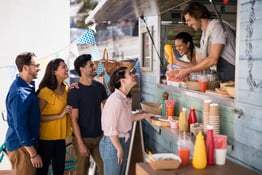
This is where the sports event restaurant strategy shifts. The World Cup isn’t limited to traditional sports bars — fans will be looking for a compelling viewing experience.
“Any venue that can make a presentation out of the game should consider it,” Spencer says.
Rachel reinforced how accessible that opportunity really is. “If you have a TV or are willing to set up a way to view the games, you are a target,” she says.
Because many matches will take place outside traditional evening hours, even cafés and breakfast spots may see unexpected demand tied to viewing occasions.
Experience Is the Marketing Strategy
Where operations set the foundation, marketing determines whether guests show up and what they expect when they do.
“If you're going to advertise that you’re hosting people for the World Cup, you want to make sure that the experience matches expectations,” Hilary says.
She emphasized that this is something operators often overlook.
“Make sure you have enough seating, and maybe put some decorations up,” she suggests. “Make it almost feel like you’re at the stadium, create an experience around it for people.”
Just as important is communicating that experience ahead of time. ““Start by setting the tone of what people can expect using your social media,” she recommends..”This will not only help get people excited for the World Cup, but they’ll know what sets your establishment apart when they are making a choice about where to go watch matches.”
Hilary also pointed to a major visibility opportunity tied to restaurant World Cup promotions.

Subscribe to Our Weekly Back of House Newsletter
Short and sweet summaries for busy restaurant operators. Subscribe to the Back of House newsletter to get updates delivered straight to your inbox.
“I have a feeling a lot of local newspapers, or blogs, will be picking up on this, and doing roundups of where you can watch the World Cup,” Hilary notes. “The more you talk about it now, the more likely you are to be pulled into one of those roundups.”
That outreach doesn’t need to be formal. “You don’t have to craft a press release, just email local publications, blogs, or even influencers, to share what you’re doing to celebrate the World Cup.”
Not Every Strategy Has To Follow the Crowd
While many restaurants will lean into the excitement, Hilary pointed out there’s also room for a different approach.
“A really effective marketing opportunity is simply clarity — either you lean in as a World Cup destination, or you position yourself as the quiet alternative,” she explains.
Positioning your restaurant as an alternative to the chaos could resonate just as strongly.
A Short-Term Spike and a Long-Term Opportunity
The World Cup will drive immediate demand, but the impact doesn’t have to stop there. All of the marketing activity is tied directly to restaurant customer acquisition during a high-visibility moment.
“With the right strategy, this World Cup moment could result in both a temporary uptick in business as well as generate new return customers,” Spencer says.
Handled well, this becomes a moment for restaurant customer acquisition and long-term growth.
Dine-In, Takeout, and Catering All Matter
From an operational standpoint, the World Cup creates multiple paths to revenue.
“Dine-in traffic can help venues take advantage of alcohol sales, and takeout can be a great strategy for restaurants that don’t serve alcohol,” Spencer says.
Rachel pointed to a familiar but effective approach. “Doing a soccer party package for catering,” she says, “ is already very similar to the tailgate package that many restaurants already do.”
That reflects how group dining demand extends beyond the four walls of the restaurant, into homes, offices, and other shared viewing environments.
Hilary also noted that menu strategy can tie into both timing and marketing. “You could even do a special World Cup menu, like brunch every day instead of just Saturday and Sundays,” she says.
She added that late-night or early-morning matches can create unexpected demand windows, so hours should be driven by when games are actually being played, not just standard operating schedules.
Kitchens Need To Think in Surge Mode
On the back-of-house side, success comes down to preparation for predictable spikes.
“Have a sales mindset in the kitchen,” Spencer says. “Understand that you are going to be busy, prep accordingly, and staff accordingly.”
Rachel adds a practical execution point — “Train your staff to try to get orders before breaks, so their tables don’t have long wait times.”
Managing restaurant traffic spikes is as much about timing as volume, and proper recipe prep and staffing are key.
Staffing for Impact, not Efficiency
The biggest risk during major events is underestimating demand or having trouble staffing up. “Under-staffing and under-prepping are often the downfall,” Spencer said.
Given the scale of the World Cup, you may need to think differently about labor. “If you feel that your restaurant is positioned to have a large spike, overstaffing might be the right strategy,” he explains.
Rachel emphasized that perfection isn’t the goal. “This could be once-in-a-lifetime, so the likelihood of you getting staffing correct is slim,” she says. “That’s okay, just be transparent with your staff about your plan.”
The Time To Prepare Is Already Here
Across both operations and marketing, the message is the same: Don’t wait.
“The more you can plan, the better it will be for business,” Hilary says.
That means getting specific now:
- Reaching out to local media and influencers
- Locking in vendor flexibility
- Planning for a surge in demand
- Starting to promote what your experience will look like
The operators who show up early are more likely to be the ones customers find when match day arrives.
One Month, Many Opportunities
The World Cup restaurant opportunities ahead aren’t limited to host cities or sports bars. They’re spread across neighborhoods, formats, and times of day.
And because the event is so rare, the stakes — and the upside — are higher than usual.
Success stems from preparation, visibility, and execution. Because for one month, soccer won’t just be a global event, but a local restaurant opportunity everywhere.
Capture the World Cup Opportunity Before It Peaks
The World Cup will create a short, high-intensity window of demand that requires tight coordination across staffing, kitchen prep, service timing, and marketing, solving for the same challenges at once.
If you’re looking to get ahead of those challenges, reach out to Back of House experts Spencer or Rachel for a consultation. They can help translate this big event into a clear, executable strategy.